

The Simple Science Behind Clean Power
If you’ve ever stood under a rooftop lined with shiny solar panels and wondered what exactly is happening up there, you’re not alone.

It All Starts With Sunlight
Sunlight is made of tiny packets of energy called photons. Every second, millions of these photons stream down from the sun and hit the Earth’s surface. Solar panels are designed to capture some of that energy and turn it into electricity we can actually use in our homes and businesses.
The Magic Material: Silicon
Most solar panels are made from silicon, a semiconductor material also used in computer chips. Silicon has a unique property: it can absorb photons and release electrons. This is the foundation of how solar panels generate electricity.
A solar panel is made up of many solar cells, and each cell is built from two layers of silicon:
- N-type silicon, which has extra electrons
- P-type silicon, which has extra “holes” (spaces where electrons can go)
Where these two layers meet, they form what’s called a P-N junction. This junction creates an electric field, think of it like a directional pathway for electrons.
The Photovoltaic Effect: Turning Light Into Power
When sunlight hits a solar cell, here's what happens:
- A photon enters the silicon layer.
- It knocks an electron loose, freeing it from an atom.
- The built-in electric field at the P-N junction pushes the electron in a specific direction.
- This movement of electrons forms an electric current.
This entire process is known as the photovoltaic effect, and it’s been understood since the 1800s, even though we only recently learned how to harness it at large scale.
From Direct Current to Home Power
The electricity generated by solar cells is direct current (DC). But homes and businesses use alternating current (AC).
So how do we bridge the gap?
With an inverter.
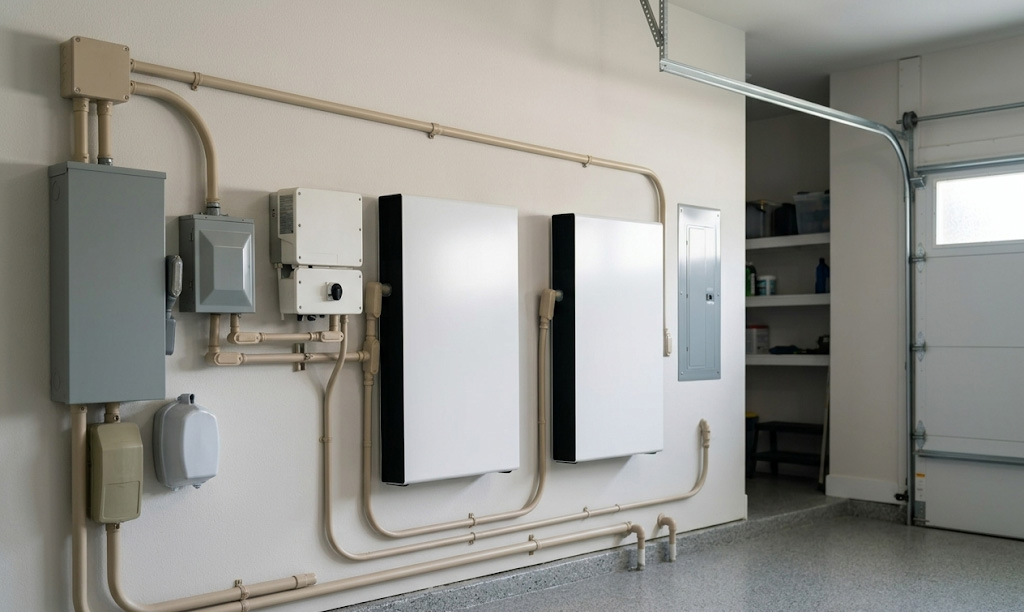
The inverter converts DC to AC, ensuring that your lights, appliances, and devices can run on the electricity your solar panels produce. Modern systems often include smart inverters that can also monitor energy production in real time.
What Happens to Extra Energy?
If your solar panels produce more energy than you use, you have two options:
Store it
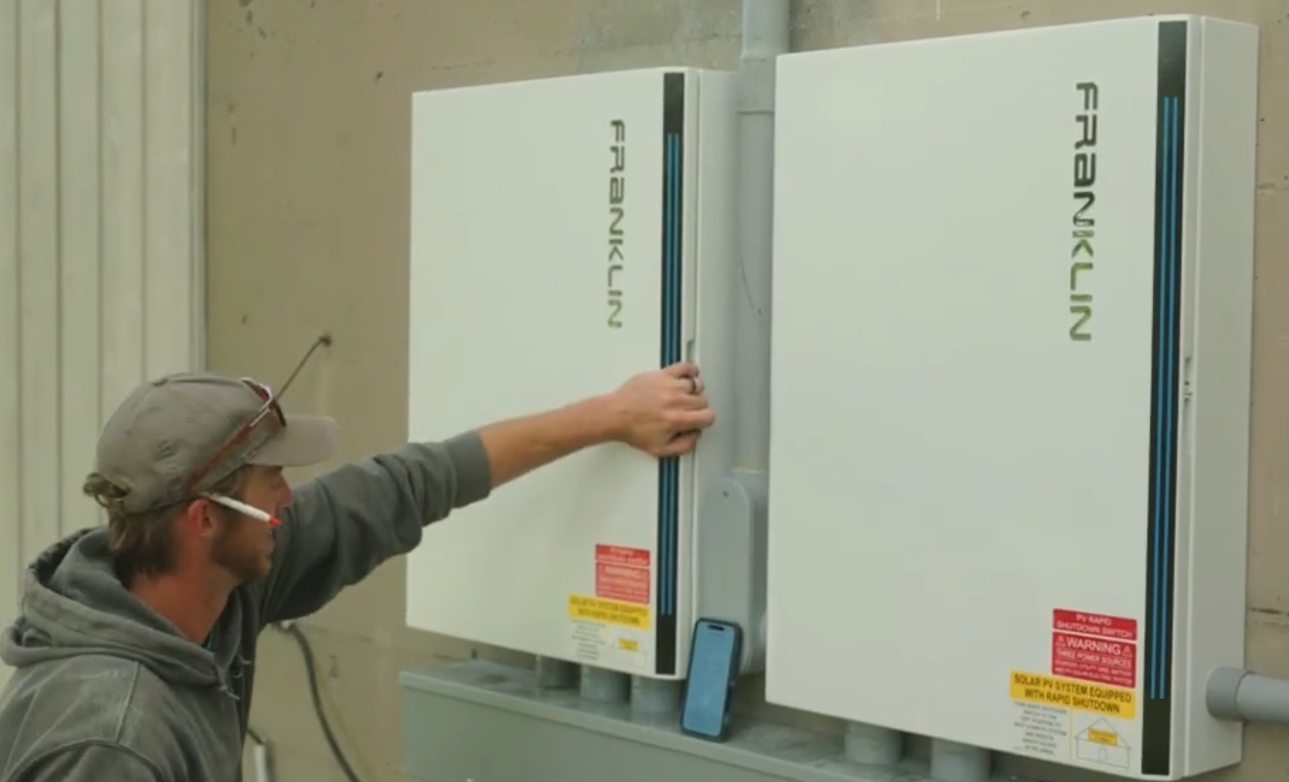
A home battery (like the Tesla Powerwall or similar systems) can store excess electricity for use at night or during power outages.
Send it to the grid
In many places, you can feed unused electricity back into the grid and receive credits on your utility bill—a system known as net metering.
Why Solar Panels Matter
Solar panels are a powerful tool in the transition to clean energy. They:
- Reduce reliance on fossil fuels
- Lower electricity bills
- Require very little maintenance
- Increase home value
- Produce zero emissions during operation
As technology advances, panels are becoming more efficient, more affordable, and easier to install every year.
Solar panels work by capturing sunlight, freeing electrons in silicon cells, and creating an electrical current that’s converted into usable power. It’s clean, renewable, and increasingly accessible, bringing us closer to a future where energy is both sustainable and abundant.


.jpg)


