

Flex Batteries Vs. Gas Generators
From noise pollution to a larger spectrum of applications, figure out why battery storage might be a better option for you.
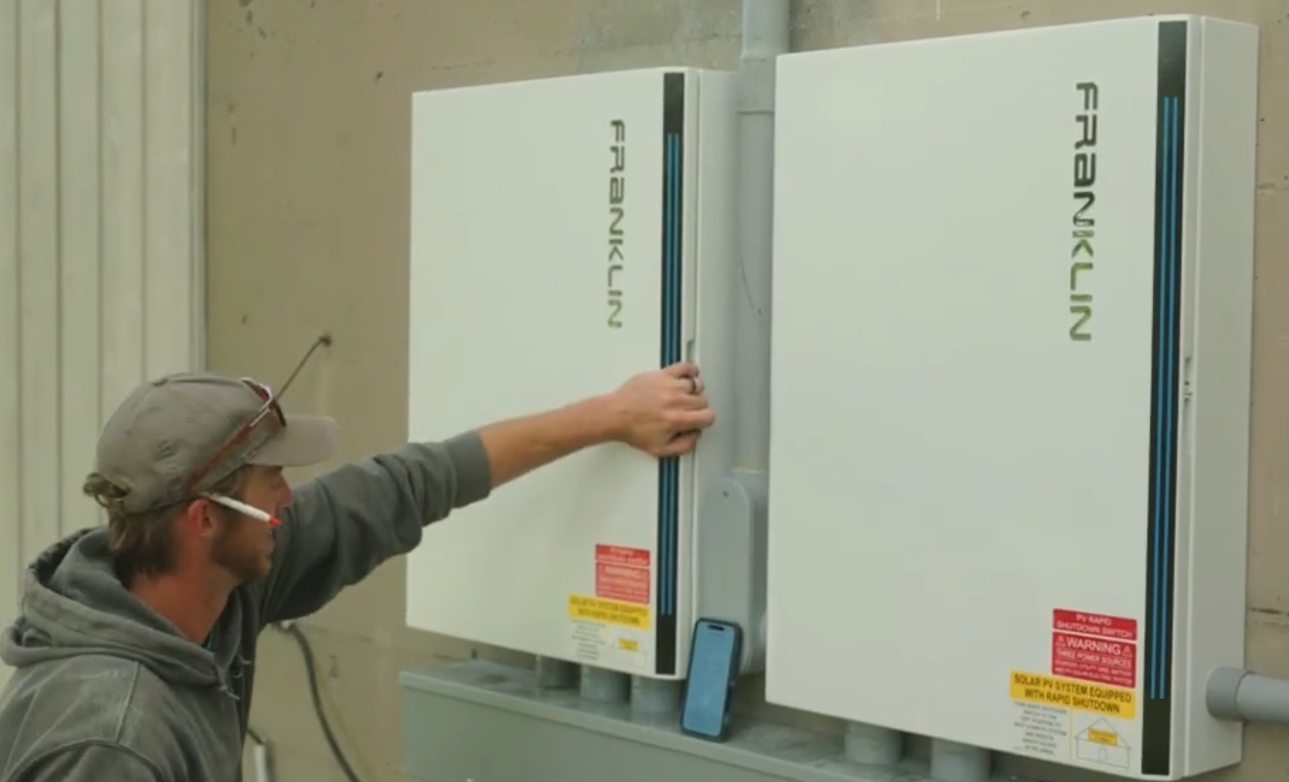
Franklin Batteries vs. Gas Generators: Which Backup Power Wins?
When the grid goes down, homeowners are increasingly skipping the propane generator and going straight to battery backup. Check out our review from our lead technician Will as he breaks down why this Franklin Battery installation is different from a traditional generator.
The Setup: Four Franklin aPower 2 Units
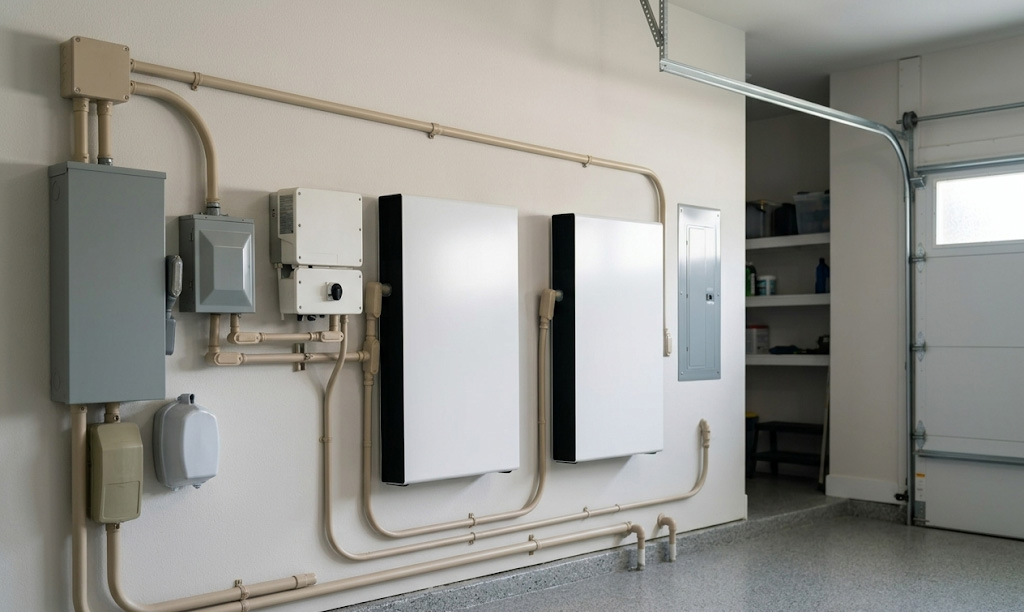
The install we show off isn't small. It's four Franklin aPower 2 batteries, each rated at 15 kWh, for a combined 60 kWh of storage. The system is paired with a large rooftop solar array, which is the real point of the setup: solar charges the batteries during the day, and the batteries carry the home through outages or overnight.
Because the batteries are tied into that PV array, the transition from grid power to backup power is seamless. To describes it plainly: you don't notice the lights flicker, and some homeowners don't even realize the grid has gone down. An accompanying app alerts you to grid failures and lets you manage smart settings remotely.
Why Batteries Are Gaining Ground
Lithium iron phosphate (LFP) battery technology has been improving quickly, better storage capacity, longer duration, and continued advances year over year. A few features stand out in the comparison against gas generators:
Solar and grid charging. These batteries can charge from a coupled PV system or straight from the grid, giving flexibility depending on conditions.
Vehicle-to-load (V2L) support. If you own an EV like a Ford F-150 Lightning, the Franklin system can use your truck to help power your house, turning your vehicle into a backup power source.
Quiet operation. No engine noise. It's a genuinely silent backup system, which is a major draw for homeowners tired of generator noise during outages.
Cost parity. Will notes the technology has reached a point where it's now cost-comparable to a propane whole-home generator from a brand like Generac or Kohler.
Zero maintenance. Because the units are internally sealed, there are no parts to replace and no scheduled maintenance. Compare that to a gas generator, which needs annual servicing, oil changes, spark plug changes, and regular upkeep, just like any other motor.
10-year warranty and serious durability. Franklin's case studies reportedly show these batteries submerged in 2–3 feet of water and still safely producing power.
Fire safety by design. The sealed construction means that in a worst-case scenario, if one battery module were to fail internally, the issue is contained, it can't propagate to the rest of the system. The batteries also carry UL safety listing.
The Bottom Line
Gas generators still have their place, but the case for battery backup keeps getting stronger: seamless outage protection, solar integration, EV charging support, silent operation, minimal upkeep, and safety engineering that addresses the fire concerns people associate with lithium batteries. For homeowners already investing in solar, pairing it with a system like Franklin's aPower 2 turns backup power into something closer to a "hands-free" utility rather than a maintenance chore.




.jpg)


